Looking for a Denver neighborhood that feels walkable, lived-in, and full of local character? Platt Park stands out because it brings together historic homes, a strong neighborhood main street, and everyday convenience in one compact area. If you are thinking about buying, selling, or simply getting to know South Denver better, this guide will show you what makes Platt Park so appealing and why it continues to draw attention. Let’s dive in.
Why Platt Park Stands Out
Platt Park is a compact south Denver neighborhood bordered by Broadway, Downing, I-25, and Evans. The Platt Park People’s Association says it serves nearly 3,000 homes and businesses in the area, which helps show how connected and active the neighborhood is.
The University of Denver describes Platt Park as a vibrant, tree-filled neighborhood a mile northwest of campus. That description fits the feel on the ground: mature streets, historic housing, and a commercial corridor that gives you places to gather, shop, and dine close to home.
What makes Platt Park different is its balance. You get a residential setting with a real neighborhood rhythm, not just a collection of homes near busy streets.
South Pearl Is the Social Core
South Pearl Street is the heart of Platt Park. The district runs from Buchtel to Jewell Avenues and is known for its mix of locally owned shops, boutiques, restaurants, nightlife, and seasonal events.
This is one of the biggest reasons people are drawn to the neighborhood. South Pearl is not a one-note strip. It functions more like a true main street, where you can grab coffee, meet friends for dinner, browse shops, and stroll the corridor in the same afternoon.
According to the official merchant map, the current lineup includes coffee shops, wine spots, pizza, taquerias, a brewpub, a bakery, bookstores, boutiques, galleries, and service businesses. Examples listed include Stella’s Coffee, Duffeyroll, Kaos Pizza, Pearl Wine Company, Platt Park Brewing, Que Bueno Suerte, Sexy Pizza, Uno Mas Taqueria, and Lavender Coffee.
South Pearl Events Add Energy
South Pearl is also known for its events calendar, which helps the neighborhood feel active throughout the year. The official South Pearl site lists the 2026 farmers market on Sundays from May 3 through November 8, from 9 a.m. to 1 p.m., on the 1400 and 1500 blocks between Iowa and Arkansas.
That market includes more than 170 local vendors and live music, making it a major draw for both residents and visitors. Other recurring events highlighted by the district include Final Friday, Pride on South Pearl, Oktoberfest, and Winterfest.
Beyond the business district, the Platt Park People’s Association adds to the neighborhood rhythm with meetings, happy hours, and local gatherings. Together, those details help explain why Platt Park feels like a neighborhood with a strong identity instead of just a convenient address.
Small Details Matter Here
One local feature that says a lot about the area is the South Pearl Fairy Doors installation. It gives the corridor a playful, self-guided art element that makes a simple walk down the street feel a little more memorable.
That may sound small, but details like this shape how a neighborhood feels day to day. In Platt Park, even errands can feel more like an outing.
Platt Park Homes Have Real Character
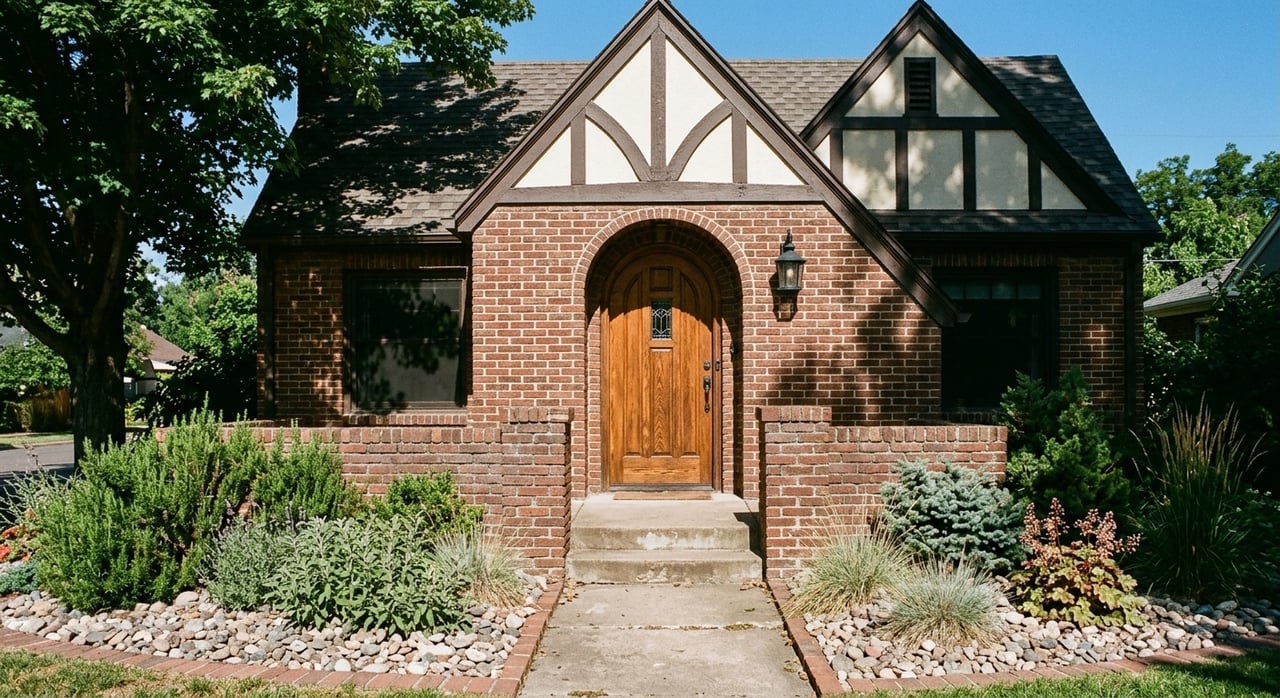
If you love older Denver homes, Platt Park delivers a distinctive architectural mix. A University of Denver Magazine archive piece says the neighborhood contained 3,332 properties, with many built before 1930 in Victorian, Hipped Cottage, Bungalow, and Tudor Revival styles.
This older housing stock gives the neighborhood a strong visual identity. Instead of repeating newer home designs, Platt Park offers a streetscape shaped by historic forms, smaller lots, and details that make one block feel different from the next.
Common design elements include front porches, detached garages, brick construction, raised basements, overhanging eaves, inset windows, narrow lot widths, and one- to two-story homes. Those features help create the classic south Denver look that many buyers are after.
Why Bungalows Get So Much Attention
Bungalows are a big part of Platt Park’s appeal because they support a very specific lifestyle. Front porches, human-scale streets, and mature blocks create a setting that feels neighborly and easy to enjoy on foot.
For buyers, that often translates into emotional appeal as much as practical value. You are not just shopping for square footage. You are often looking for charm, texture, and a home that feels connected to the neighborhood around it.
For sellers, this architectural identity can be a major advantage. Distinctive housing stock and a recognizable neighborhood feel often make marketing more compelling when a property is presented well.
Historic Fabric Shapes the Neighborhood
Platt Park’s history is not abstract. You can see it in the built environment, from early residential architecture to landmarks like the Fleming Mansion, built in 1882 and now designated as a historic landmark in the heart of the neighborhood.
That historic fabric gives Platt Park continuity. Even as Denver changes, the neighborhood still reads as an established place with roots, not a newly assembled district.
This matters if you are trying to choose between neighborhoods with very different personalities. In Platt Park, the sense of place comes through clearly in the homes, blocks, and streetscape.
Getting Around From Platt Park
Platt Park also works well from a practical standpoint. RTD says Louisiana / Pearl Station serves the E and H rail lines along with bus routes 11 and 12, while Evans Station serves the D, E, and H rail lines and includes park-and-ride parking.
That transit access can be helpful if you want options for commuting or getting around Denver without relying only on a car. Visit Denver also notes that South Pearl is reachable on the E Line from Union Station to Louisiana and Pearl station.
For many buyers, this is part of the neighborhood’s sweet spot. You get a smaller-scale residential feel, but you are still connected to larger city destinations.
Near DU Without Feeling Campus-Centered
Platt Park is about a mile northwest of the University of Denver campus, according to DU. That location appeals to people who want to be near the university while still living in a neighborhood with its own identity.
This is an important distinction. Some areas near major campuses can feel heavily shaped by the university itself, but Platt Park reads more as a neighborhood with its own commercial spine and residential character.
If proximity to DU matters to you, Platt Park offers convenience without making campus life the entire story.
How Platt Park Compares Nearby
When buyers explore South Denver, they often compare Platt Park with nearby neighborhoods. That comparison helps clarify what Platt Park does best.
Washington Park, for example, has a park-first identity. Visit Denver describes it through features like lakes, flower gardens, tree-lined paths, and a strong outdoor recreation feel.
Platt Park feels different. Its identity is more corridor-centered and village-like, with South Pearl acting as the neighborhood’s social and commercial anchor.
Observatory Park offers another contrast. DU and Denver planning materials point to Chamberlin Observatory, historic structures, and the area’s strong connection to the university setting. Platt Park, by comparison, feels less campus-anchored and more centered on the mix of homes plus neighborhood retail.
The Best Fit for You
If you want large green space to be the main attraction, you may be more drawn to Washington Park. If you want to be closely tied to the university environment, Observatory Park may stand out.
If you want a blend of historic homes, walkable dining and shopping, and a neighborhood identity built around both residential streets and a lively main corridor, Platt Park offers a very specific fit.
What Buyers Should Notice
For buyers, Platt Park offers several traits that are hard to duplicate in the same package:
- Historic homes with visible architectural character
- A walkable commercial corridor on South Pearl
- Seasonal events and a strong neighborhood calendar
- Transit access through nearby RTD stations
- Close proximity to the University of Denver
- A compact footprint with a clearly defined identity
That combination can be especially appealing if you want a home that feels rooted in place. Platt Park is not just convenient. It is recognizable, social, and architecturally distinct.
What Sellers Should Understand
If you own a home in Platt Park, the neighborhood itself is part of your property’s story. Buyers are often responding to more than bedrooms and bathrooms here. They are also responding to block appeal, home style, South Pearl access, and the overall feel of the area.
That means presentation matters. In a neighborhood known for charm and character, thoughtful staging, strong photography, and neighborhood-specific marketing can help show why a home belongs in this part of Denver and why that location matters.
For sellers in Platt Park, the opportunity is not just to list features. It is to communicate lifestyle, setting, and architectural personality in a way that matches what buyers are looking for.
If you are thinking about buying or selling in Platt Park, working with a team that understands South Denver at the neighborhood level can make a real difference. Kylie Russell Real Estate brings local market knowledge, strategic guidance, and full-service support to help you move with confidence.
FAQs
What is Platt Park known for in Denver?
- Platt Park is known for its historic homes, tree-filled residential streets, and South Pearl Street, a popular corridor with local shops, dining, and events.
What kinds of homes are common in Platt Park?
- Platt Park includes many homes built before 1930, with styles such as Victorian, Hipped Cottage, Bungalow, and Tudor Revival.
What can you do on South Pearl Street in Platt Park?
- South Pearl offers local restaurants, coffee shops, boutiques, galleries, and seasonal events, including a farmers market, Final Friday, Pride on South Pearl, Oktoberfest, and Winterfest.
How close is Platt Park to the University of Denver?
- The University of Denver describes Platt Park as about a mile northwest of campus.
Does Platt Park have transit access?
- Yes. Nearby RTD stations include Louisiana / Pearl Station and Evans Station, which serve multiple rail lines and bus connections.
How is Platt Park different from Washington Park and Observatory Park?
- Platt Park is more centered on its neighborhood main street and historic homes, while Washington Park is more park-focused and Observatory Park is more closely tied to the university area.