If you want a Denver-area community where golf, trails, and big-sky views shape daily life, Castle Pines deserves a closer look. You may be weighing commute times, home prices, outdoor access, and whether the area feels connected without feeling crowded. This guide will help you understand what life in Castle Pines is really like, from open space and housing patterns to market expectations and lifestyle perks. Let’s dive in.
Why Castle Pines Stands Out
Castle Pines is a home-rule city in Douglas County just south of Denver, with about 16,000 residents across roughly 9.5 square miles. The city’s planning framework focuses on housing, transportation, parks and recreation, land use, and growth management, which helps explain its balanced, residential feel.
For many buyers, the appeal starts with the setting. Castle Pines reads as a landscape-first community, with neighborhoods, parks, trails, and commercial areas woven into a more open suburban environment rather than a tightly urban one.
The community sentiment is strong, too. In the city’s 2025 community survey, 94% of respondents rated Castle Pines as an excellent or good place to live, while 67% said it has a strong sense of community.
Castle Pines Outdoor Lifestyle
Trails and open space shape daily life
Castle Pines offers nearly 60 miles of trails, 122 acres of parks, and more than 1,850 acres of open space. That scale matters when you are choosing a place to live, because it means outdoor access is not just a weekend feature. It is part of the everyday rhythm of the city.
The 2025 community survey supports that idea. Seventy percent of residents said having multiple parks, trails, and open spaces is very important, which tells you a lot about local priorities and how people use the community.
If you enjoy walking, running, biking, or simply having room to breathe, Castle Pines checks a lot of boxes. The trail system also connects into the broader south-metro network, including the East/West Regional Trail linking communities such as Highlands Ranch, Castle Pines, Lone Tree, and Parker.
Parks add more than just green space
Coyote Ridge Park is the city’s largest full-amenity park at about 30 acres, and it is surrounded by open space and walking trails. Daniels Gate Park is another notable local spot, with views over open space north of the city.
These parks help reinforce the local feel. Instead of a single downtown-centered lifestyle, Castle Pines offers a more spread-out pattern where parks, neighborhood gathering spaces, and trailheads do a lot of the heavy lifting.
Views are part of the appeal
The Colorado views are a real part of Castle Pines living. Open-space edges, elevated terrain, and planned trail corridors all contribute to that sense of visual breathing room that many buyers want in the south metro area.
That said, it is important to stay practical when you are shopping for a home. The city notes that not all undeveloped land is permanent open space, so if a view corridor or open lot is important to you, you will want to verify how that land is zoned and planned rather than assuming it will stay unchanged.
Golf In Castle Pines
Golf is part of the city identity
Golf is one of the clearest lifestyle markers in Castle Pines. If you are drawn to communities where fairways, rolling terrain, and outdoor recreation are part of the local character, you will notice that right away here.
The Ridge at Castle Pines North is the city-highlighted public golf course. It is Troon-managed, Audubon Certified, and designed with four tee sets ranging from about 5,000 to more than 7,000 yards, which gives different types of players room to enjoy the course.
What golf adds to the lifestyle
Even if you are not an avid golfer, a golf-oriented setting can shape the overall feel of a city. In Castle Pines, golf contributes to the open visual character, recreational identity, and premium suburban atmosphere that many buyers are looking for.
For some homeowners, that translates to a strong lifestyle fit. For others, it simply means living in a place where recreation and scenery are easy to access and easy to appreciate.
Commuting And Regional Access
One reason Castle Pines attracts both local movers and relocations is its position in the south metro corridor. The city’s economic development information says Castle Pines is less than 20 minutes from the Denver Tech Center and about 35 minutes from Denver International Airport.
I-25 runs through Castle Pines, which helps with access to job centers and regional travel. The city also highlights connections to freeways, light rail access, and the mountain corridor, making it a practical option if you want suburban space without giving up connectivity.
Infrastructure improvements are part of that picture as well. Public works information notes that the Happy Canyon interchange is being reconstructed to improve safety, traffic operations, connectivity, and regional mobility.
Housing In Castle Pines
Expect a suburban, low-density feel
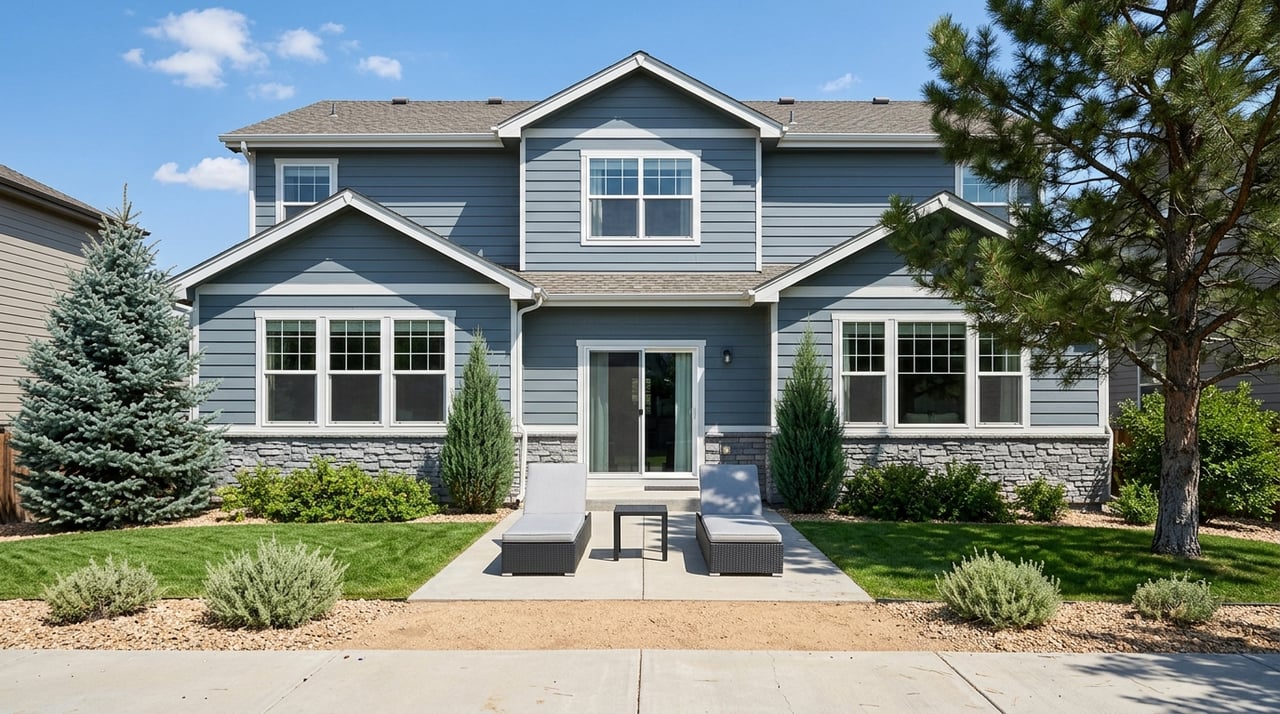
Castle Pines still leans heavily toward low-density suburban housing. According to the city’s transportation and planning documents, the housing stock as of 2023 was about 90% single-family and 10% multifamily, with about 84% owner-occupied.
That mix helps explain why the city feels the way it does. If you are looking for detached homes, neighborhood streets, and a less dense residential pattern, Castle Pines aligns well with that preference.
Planned enclaves define the area
Castle Pines feels less like one traditional downtown and more like a collection of planned residential enclaves connected by trails, parks, and commercial nodes. That is useful context if you are beginning your home search and trying to understand how the community is organized.
Castle Pines Town Center is a 354-acre planned development near Happy Canyon and I-25 that includes parks, open space, trails, civic and commercial uses, and a mix of single-family and multifamily housing. Castle Valley is another planned development with single-family homes, multifamily residences, and 76 acres of open space.
The Canyons is the largest east-of-I-25 annexation area, with zoning for up to 5,000 residential units and 1,280 acres of open space. Together, these areas show how Castle Pines continues to grow while keeping open space and neighborhood planning as central parts of its identity.
Castle Pines Home Prices And Market Expectations
Prices are typically above metro entry level
If you are considering a move to Castle Pines, it helps to go in with realistic pricing expectations. Zillow reported an average Castle Pines home value of $904,607 as of April 30, 2026, while the Census Bureau’s 2020-2024 median value for owner-occupied housing units was $895,500.
Redfin reported a median sale price of $999,402 over the three months ending May 2026, with homes selling in about 31 days. The clearest takeaway is that Castle Pines is an active, price-sensitive market centered roughly in the high-$800,000s to around $1 million.
There is still range within the market
While Castle Pines is often associated with upper-midrange to luxury detached homes, there is still variation. Recent reported sales included homes at $499,990, $760,000, $965,000, and $2.1 million.
That spread matters if you are trying to match lifestyle goals with budget. You may find lower entry points in attached or smaller homes, while larger or more premium properties can move well into luxury territory.
What Daily Life Feels Like
Castle Pines offers a lifestyle that feels active, residential, and connected to the landscape. Instead of relying on a dense urban core, the city leans on trails, parks, community gathering spaces, golf, and residential enclaves to create its sense of place.
The city calendar reflects that community rhythm. Recurring events include Food Truck Frenzy, the Summer Concert Series, and The Canyons Maker’s Market, which add another layer of local connection beyond the built environment.
For many buyers, that combination is the real draw. You get access to south metro job centers, a strong outdoor framework, and a housing stock that still skews toward single-family living.
Is Castle Pines A Good Fit For You?
Castle Pines may be a strong fit if you want a suburban setting with meaningful open space, a visible golf culture, and home options that lean move-up to luxury. It can also appeal if you value access to I-25, proximity to the Denver Tech Center, and a community where outdoor recreation is built into the layout.
The key is understanding what matters most to you. If views, trails, neighborhood planning, and a less dense feel are high on your list, Castle Pines offers a compelling mix of those features.
If you are exploring Castle Pines or comparing it with other South Denver suburbs, working with a local advisor can help you weigh price points, enclave differences, commute patterns, and lot-specific details like open-space adjacency. When you are ready for tailored guidance, connect with Kylie Russell Real Estate for expert insight on Castle Pines and the broader south metro market.
FAQs
What is Castle Pines known for in Douglas County?
- Castle Pines is known for its golf presence, nearly 60 miles of trails, more than 1,850 acres of open space, planned residential enclaves, and elevated Colorado views in a south metro suburban setting.
How expensive are homes in Castle Pines?
- Recent data places Castle Pines home values and sale prices roughly in the high-$800,000s to around $1 million, with some lower-priced homes below that range and luxury properties well above it.
Is Castle Pines good for outdoor living?
- Yes. The city offers extensive trails, 122 acres of parks, more than 1,850 acres of open space, and regional trail connections that support walking, biking, and everyday outdoor access.
Does Castle Pines have good commuter access?
- Castle Pines has direct I-25 access and is described by the city as less than 20 minutes from the Denver Tech Center and about 35 minutes from Denver International Airport.
Are all open areas in Castle Pines protected open space?
- No. The city notes that some undeveloped land near homes may be zoned for future development, so you should verify land use and zoning if long-term views or open-space adjacency are important to you.