Wondering whether a planned community in Lone Tree is the right fit for your next move? You are not alone. Many buyers are drawn to Lone Tree for its newer homes, connected lifestyle, and convenient south-metro location, but it helps to understand how these communities are built, priced, and managed before you buy. This guide will walk you through what to expect so you can shop with more clarity and confidence. Let’s dive in.
Why planned communities matter in Lone Tree
Lone Tree’s planned-community story starts with RidgeGate, one of the city’s most important long-term developments. The City of Lone Tree describes RidgeGate as a 3,500-acre mixed-use planned development south of Lincoln Avenue and on both sides of I-25, with nearly 5,000 residents today and a long-term vision for 30,000 residents and 50,000 jobs.
That scale matters if you are buying in Lone Tree. It means you are not just choosing a home. You are also buying into a broader plan that includes open space, parks, trails, retail, employment areas, and civic amenities designed to work together.
RidgeGate also helps explain why Lone Tree still offers a mix of new construction and resale inventory. Community materials say the east side is still early in development, with three new residential villages, two mixed-use districts, and more than 8,000 planned homes, while the broader community is expected to support about 12,000 homes over time.
What makes Lone Tree different
Many south-metro buyers want more than square footage. They want a daily routine that feels easier, with access to trails, transit, errands, and recreation without needing to drive across town for everything.
That is a big part of Lone Tree’s appeal. The city highlights amenities such as Prairie Sky Park, Sweetwater Park, Willow Creek Trail, the East/West Regional Trail, Cook Creek Pool, the Lone Tree Hub, and the Lone Tree Arts Center. High Note Park is also being developed as the city’s first regional park and is planned to become the largest park in Lone Tree.
Transit adds another layer of convenience. RidgeGate says the area is served by four light-rail stations and the free Link On Demand shuttle, helping connect homes with retail, medical, recreation, and future city-center destinations.
RidgeGate and Lone Tree City Center
If you are looking at planned communities in Lone Tree, RidgeGate will likely be central to your search. The west side is closer to buildout, while the east side still offers more forward-looking development and new-home opportunity.
Within that larger picture, Lone Tree City Center is worth watching. The City of Lone Tree describes it as a future authentic downtown environment, and RidgeGate says it is planned to include 2,500 urban-style residences in a walkable center.
For buyers, that means some parts of Lone Tree are established, while others are still evolving. If you like the idea of buying into an area with long-term walkability and mixed-use growth, this can be a strong advantage.
Home types you can expect
One of the biggest misconceptions about planned communities is that every home feels the same. In Lone Tree, that is not the case.
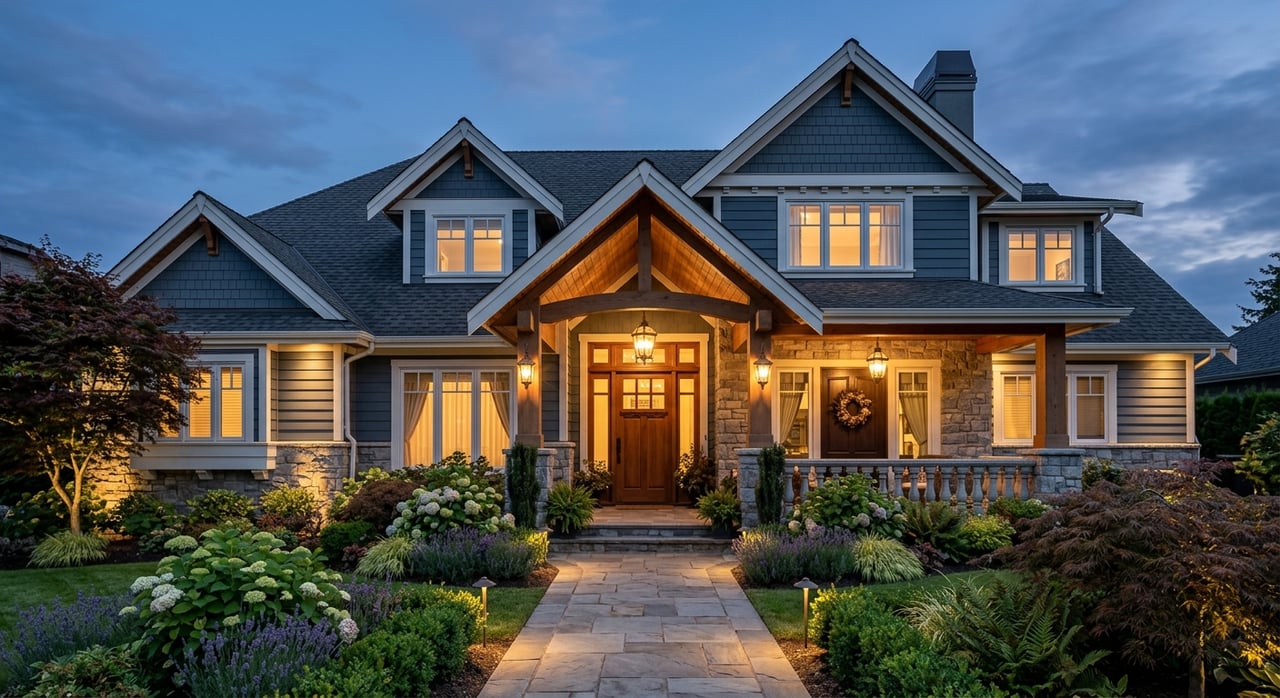
RidgeGate’s housing mix includes condos, townhomes, row homes, detached single-family homes, ranch plans, two-story layouts, cottages, patio homes, eco-smart homes, and larger estate-style properties. That gives buyers a wider range of options than you might expect within one master-planned area.
Lyric at RidgeGate is one of the clearest examples in today’s market. Shea Homes shows detached single-family options there starting around $743,400, with quick move-in inventory extending into roughly the $1.55 million range.
That broad spread is useful if your needs are changing. You may be looking for a lower-maintenance home now, or you may want more square footage, a larger lot, or a move-up option with newer construction.
What buying in Lone Tree may cost
Lone Tree generally sits in the premium tier of the south-metro market. Redfin shows a March 2026 median sale price of $872,000 for Lone Tree, while Realtor.com reports a March 2026 median sale price of about $815,000.
Within the city, pricing can vary a lot by community and home style. Ridgegate West posted a median sale price of about $783,000, while Heritage Hills had a median listing price around $1.75 million.
That range is part of what makes Lone Tree interesting. You can find newer planned-community homes that are more attainable than some nearby luxury markets, while still accessing a higher-amenity environment.
How Lone Tree compares nearby
It helps to compare Lone Tree with other south-metro areas if you are deciding where to focus your search. According to Redfin’s spring 2026 figures, Centennial was around $650,000, Highlands Ranch around $690,000, and Greenwood Village around $1.5 million.
In simple terms, Lone Tree often prices above Centennial and Highlands Ranch, but below the top end of Greenwood Village. That price difference often reflects newer construction, planned amenities, transit access, and proximity to employment centers.
If you are relocating or moving up within the Denver area, Lone Tree can offer a middle lane. You may pay a premium compared with some older suburban neighborhoods, but you may also get a newer home, a more integrated community plan, and easier access to amenities.
HOA rules to understand early
Before you fall in love with a home in a planned community, make sure you understand how the HOA works. In Colorado, common-interest communities are governed by recorded declarations under CCIOA, and the state HOA office advises buyers to review governing documents because rules are community specific.
The City of Lone Tree also makes an important point for buyers. The city does not govern HOAs, but it does provide association contact information and strongly recommends HOA or ACC approval before permitted work.
In RidgeGate, the approval process is especially important. Community FAQs note that any exterior change, including landscaping, requires HOA approval.
Why HOA details matter in Lone Tree
Not every buyer sees HOA oversight the same way, and that is okay. For some people, the structure is a benefit because it helps manage common areas, exterior standards, and shared amenities.
For others, the rules may feel limiting if they want more flexibility with landscaping, exterior updates, or property use. That is why it is smart to review the governing documents before you buy, not after closing.
Some Lone Tree communities may also have layered oversight. Heritage Hills, for example, references gate transponders and fobs, separate metro-district contacts for items like snow removal, and published community standards.
That means your review should go beyond monthly dues. Ask about design rules, exterior approval requirements, gate access, and whether a metro district plays a role in services or fees.
The lock-and-leave appeal
For many buyers, planned communities in Lone Tree offer a strong lock-and-leave lifestyle. Shared amenities, managed common areas, and exterior standards can reduce some of the day-to-day upkeep that comes with more independent homeownership.
This can be especially appealing if you travel often, are relocating on a tight timeline, or simply want a more turnkey routine. It is one reason planned communities often attract professionals and move-up buyers who value convenience.
That said, convenience comes with tradeoffs. You will want to balance the benefits of managed living with the cost of dues and the level of oversight that feels comfortable for you.
How to shop smart in Lone Tree
When you tour planned communities in Lone Tree, try to compare more than floor plans and finishes. A beautiful home can still be the wrong fit if the community structure, timeline, or monthly costs do not match your goals.
Here are a few smart questions to ask during your search:
- Is the neighborhood fully built out, or still developing?
- What home types are offered nearby?
- What are the HOA dues, and what do they cover?
- Are there architectural or landscaping approval requirements?
- Is there a metro district involved?
- How close are parks, trails, retail, and transit options?
- Are you buying new construction, resale, or choosing between both?
These questions can help you compare communities on lifestyle, not just price per square foot.
Who Lone Tree planned communities fit best
Lone Tree is not a one-size-fits-all market, but planned communities here can be a strong match for certain buyers. If you value newer homes, amenity access, HOA-managed convenience, and a more connected live-work-play environment, Lone Tree may be worth a close look.
It can also be a practical choice if you want options across a wider price spectrum. From newer and more attainable homes in areas like Lyric and other RidgeGate neighborhoods to more established luxury enclaves like Heritage Hills, the city offers multiple entry points depending on your budget and goals.
The key is knowing which type of planned community fits your version of home. Some buyers want future walkability and new construction. Others want a more established setting with mature amenities and resale options.
Final thoughts on buying in Lone Tree
Buying in Lone Tree’s planned communities is about more than finding the right kitchen or floor plan. You are also choosing a lifestyle, a governance structure, and a long-term setting that can shape your day-to-day experience.
The good news is that Lone Tree offers real variety. You can find newer homes, established neighborhoods, transit-connected living, and a strong amenity base all within one city.
If you want expert guidance comparing RidgeGate, Heritage Hills, or other Lone Tree options, connect with Kylie Russell Real Estate for local insight and a more strategic home search.
FAQs
What is the main planned community in Lone Tree?
- RidgeGate is the city’s central planned-development story, spanning 3,500 acres with housing, parks, trails, retail, employment areas, and future mixed-use growth.
What home types are available in Lone Tree planned communities?
- Buyers can find a mix of condos, townhomes, row homes, detached homes, ranch plans, two-story homes, patio homes, cottages, and larger estate-style properties, especially within RidgeGate.
What is the price range for homes in Lone Tree planned communities?
- Pricing varies by neighborhood and home type, but current examples include detached homes at Lyric at RidgeGate starting around $743,400 and quick move-in inventory reaching about $1.55 million, while citywide median sale prices are roughly in the $815,000 to $872,000 range based on March 2026 reports.
What should buyers know about Lone Tree HOA rules?
- Buyers should review each community’s governing documents carefully because HOA rules are community specific, and some neighborhoods require approval for exterior changes, including landscaping.
How does Lone Tree compare with Highlands Ranch and Centennial?
- Lone Tree generally has higher median pricing than Centennial and Highlands Ranch, which often reflects its newer construction, planned amenities, transit access, and proximity to major employment areas.
Why do buyers choose planned communities in Lone Tree?
- Many buyers choose Lone Tree for its mix of newer housing, managed amenities, parks and trails, transit access, and the convenience of a more integrated daily lifestyle.