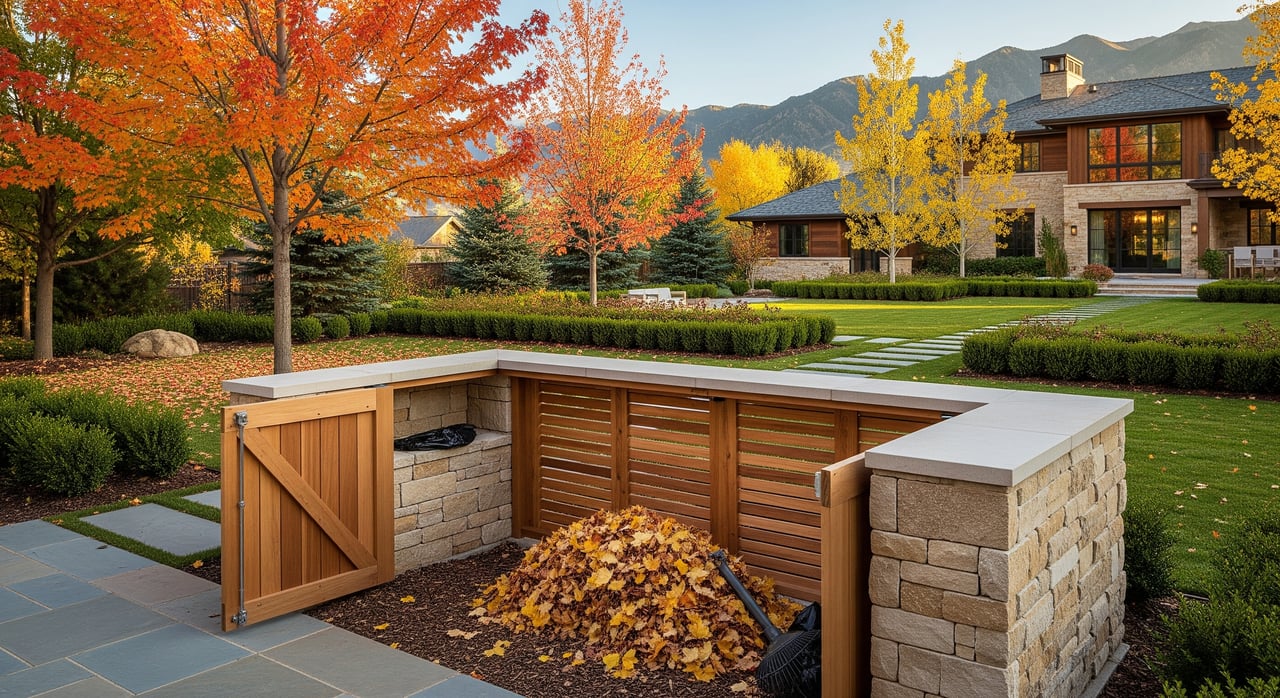
Is your yard filling up with leaves faster than you can bag them? You’re not alone. Greenwood Village has mature trees and big fall cleanups, and knowing where your leaves should go can save you time, money, and headaches. In this guide, you’ll learn how seasonal leaf drop-off typically works, what curbside yard-waste options to expect, what belongs in your bags, and how to keep storm drains clear to protect local creeks. Let’s dive in.
Leaf drop-off basics
Many cities, including Greenwood Village, offer seasonal drop-off options for leaves and yard waste. Dates, locations, fees, and accepted materials can change from year to year. Check Greenwood Village Public Works or Environmental Services for the current schedule before you load your car.
Here’s what to expect at typical city drop-offs:
- Accepted: leaves, grass clippings, small branches and brush within set size limits. Some sites accept pumpkins.
- Not accepted: plastic bags, dirt or sod, stones, treated wood, or household trash.
- Preparation: use paper yard-waste bags or bring materials loose and free of litter and pet waste.
- Proof of residency: some sites ask for ID or a utility bill.
Tip: If a site allows certified compostable bags, look for the certification seal on the box. When in doubt, plan on paper yard bags.
Curbside yard-waste options
Your curbside options depend on the contracted hauler serving your address. Schedules and rules vary, so review your utility bill or the city’s hauler page for specifics. Most systems use one of two models:
- Organics cart service. You place leaves, grass, and small brush into a dedicated cart collected weekly or biweekly during the growing season. Fall service windows are sometimes extended.
- Bagged pickup. You set out paper yard-waste bags on your trash day. Some haulers limit the number of bags per pickup or require extra tags.
Common rules to expect:
- Branches are often limited to 4–6 inches in diameter and 4 feet in length. Tie bundles with twine if required.
- Plastic bags are usually not allowed. Use paper yard-waste bags.
- Keep out non-yard materials like dirt, rocks, and construction debris.
If you have a big fall cleanup, ask your hauler about extra pickups or seasonal bulk options. Some offer additional bag allowances or special leaf pickups for a fee.
What goes in, what stays out
Getting your materials right prevents contamination and helps everything get composted properly.
Acceptable in most programs:
- Fallen leaves
- Grass clippings
- Shrub and hedge trimmings
- Small branches and brush within size limits
- Untreated wood chips
Keep these out:
- Plastic bags of any type unless labeled certified compostable and allowed
- Household trash or recyclables
- Dirt, sod, rocks, and concrete
- Stumps and large logs
- Treated or painted wood
- Pet waste
When in doubt, set questionable items aside and check with the city or your hauler before placing them out.
Protect storm drains and creeks
Leaves left in the street don’t just look messy. They wash into storm drains during rain and snowmelt. Storm sewers typically carry water directly to local creeks without treatment. When too many leaves enter the system, they add organic matter and nutrients that can lead to algae issues and poorer water quality.
Greenwood Village, like many Colorado communities, follows state and federal stormwater programs that aim to keep pollutants out of waterways. Do your part at home by following a few simple steps:
- Do not rake leaves into the street or gutter.
- Keep leaf piles at least a few feet away from storm drain inlets.
- Use paper yard-waste bags or an organics cart to store leaves until pickup.
- Mulch mow leaves into your lawn when practical to reduce volume and feed the turf.
These habits help keep neighborhood drains clear and protect nearby waterways such as Cherry Creek.
Step-by-step fall plan
Use this simple, repeatable plan to stay on top of leaf season in Greenwood Village.
- Early fall
- Check the city’s current leaf drop-off details and your hauler’s curbside rules.
- Stock up on paper yard-waste bags or confirm cart availability.
- Sharpen or replace mower blades to mulch efficiently.
- Peak leaf drop
- Mulch mow weekly to reduce the volume you need to bag.
- Use city drop-off or schedule extra curbside pickups for heavy weeks.
- Keep curb lines and storm inlets free of debris.
- Post-season wrap-up
- Clear remaining leaves from beds, patios, and window wells.
- Verify any winter schedule changes for curbside service.
- Take leftover yard waste to an authorized facility if city drop-offs have closed.
Solutions for big leaf piles
If your property has many mature trees or you skipped a week, you may need more capacity.
- Schedule an extra pickup with your hauler. Ask about bag limits, fees, and preparation rules.
- Hire a landscaper who can haul to a compost facility. This is often the fastest option for large volumes.
- Use city drop-off when offered. Confirm hours, ID requirements, and limits before you go.
For branches over typical curbside size limits, ask about county composting or transfer stations that accept yard waste for a fee.
Avoid common mistakes
A few small missteps can slow down collection or cause contamination.
- Bagging in plastic. Use paper yard-waste bags unless compostable bags are allowed.
- Overstuffing bags or carts. Follow weight and fill lines so crews can lift safely.
- Mixing in soil and rocks. Keep loads clean to protect equipment and compost quality.
- Blocking drains. Never place piles on or over storm drain inlets.
Quick checklist
- Confirm Greenwood Village drop-off dates and locations for this season.
- Review your hauler’s curbside rules and bag limits.
- Buy paper yard-waste bags and twine for bundling branches.
- Mulch mow weekly to cut down on volume.
- Keep leaves out of streets and away from storm drains.
- Plan an extra pickup or drop-off if you expect heavy weeks.
Why this matters for your home
Good yard-waste habits are not just about compliance. They also help your property perform better.
- Better curb appeal. Clear beds and tidy lawns present well and make fall and winter listings shine.
- Reduced drainage issues. Keeping leaves out of gutters, window wells, and drains helps prevent clogs and pooling water near foundations.
- Healthier lawn. Mulch mowing returns nutrients to your turf and reduces thatch over time.
A clean, well-managed exterior helps your home show at its best and avoids preventable maintenance problems.
Final thoughts
A little planning goes a long way during leaf season in Greenwood Village. Confirm the city’s latest drop-off details, know your curbside rules, keep plastic out of the process, and protect storm drains by keeping leaves off the street. With a simple routine, you can handle the heaviest leaf weeks without stress.
If you’re weighing a fall or winter move and want neighborhood-level guidance, pricing intel, and a streamlined plan to prep your home, connect with Kylie Russell Real Estate. Request Your Home Valuation.
FAQs
When does Greenwood Village offer leaf drop-off?
- The city typically sets seasonal dates that can change each year. Check Greenwood Village Public Works or Environmental Services for current locations, hours, accepted materials, and any fees or proof-of-residency requirements.
What yard waste can I put at the curb in Greenwood Village?
- Rules vary by hauler, but most accept leaves, grass, and small branches within size limits. Use paper yard-waste bags or an organics cart, avoid plastic bags, and keep out dirt, rocks, trash, and treated wood.
Can I rake leaves into the street for pickup in Greenwood Village?
- Do not place leaves in the street or over storm drains. Many municipalities discourage or prohibit this to protect stormwater systems. If a special pickup is offered, keep piles off drain inlets and follow the city’s instructions.
Are plastic bags allowed for yard-waste collection?
- Standard plastic bags are usually not accepted because they contaminate compost. Use paper yard-waste bags. Certified compostable bags may be allowed in some programs; confirm with your hauler or the city.
What should I do with branches and large brush?
- Most curbside programs limit branch diameter and length. Bundle branches with twine if required. For larger material, contact your hauler about special pickup or take it to a regional composting or transfer facility that accepts yard waste.
How do leaves impact storm drains and local creeks?
- Leaves in streets wash into storm drains and directly to local waterways, adding nutrients that can cause algae and degrade water quality. Keeping leaves out of gutters and away from inlets helps protect creeks such as Cherry Creek.
Who do I contact for missed service or extra pickups?
- Check your utility bill or the city’s trash and recycling information for your contracted hauler’s contact details. They can assist with missed service, extra bag tags, and scheduling additional pickups.