Dreaming about a classic Denver bungalow with a front porch, original details, and a walkable neighborhood feel? If Platt Park is on your shortlist, you are not alone. Buying your first bungalow here can be exciting, but it also takes a sharper eye than buying in a newer subdivision. This guide will help you understand what makes Platt Park unique, what to look for in an older home, and how to prepare for a smart first purchase. Let’s dive in.
Why Platt Park Feels Different
Platt Park has deep roots as a streetcar-era Denver neighborhood, and that history still shapes the way the area looks and feels today. Rather than rows of similar homes built at the same time, you are more likely to see a mix of older houses, duplexes, a neighborhood park, and a commercial spine centered around South Pearl Street.
That matters when you start touring homes. In Platt Park, you are often comparing one individual property against another, not choosing between near-identical floor plans. Block-by-block character, home condition, lot layout, and the quality of past updates can all play a bigger role in your decision.
What a Platt Park Bungalow Usually Offers
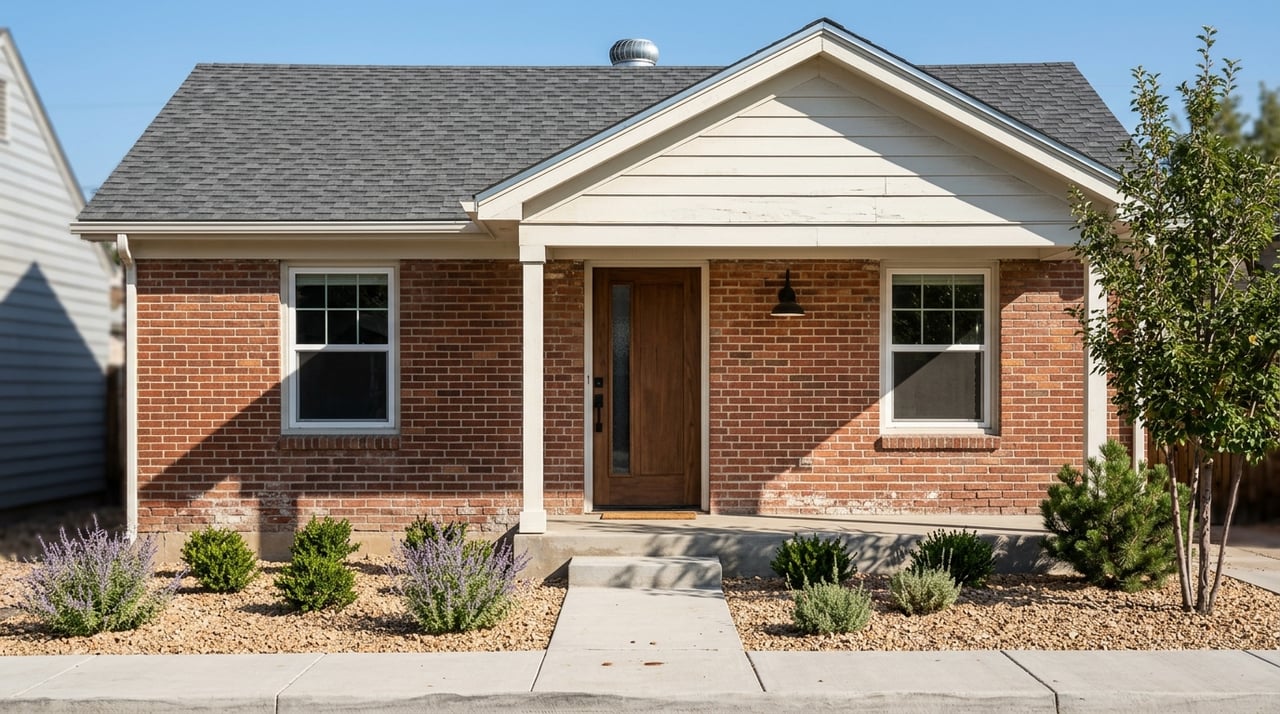
Many first-time buyers picture a bungalow as small but charming, and that is often accurate. Historic preservation sources describe bungalows as compact homes designed to place most living spaces on one floor, usually in one-story or one-and-a-half-story layouts.
In practice, that can mean efficient main-level living, a smaller footprint, and in some homes, an upper level tucked under dormers. You may also find more open interior flow than in older Victorian homes, along with built-ins like buffets or window seats.
Common Layout Features
When you tour bungalows in Platt Park, you may notice a few recurring patterns:
- Main living spaces on the first floor
- Smaller bedrooms than in newer homes
- Narrow-lot designs, especially front-facing gable homes
- Built-in storage or seating in some homes
- Partial upper levels in one-and-a-half-story properties
These details can be part of the appeal, but they also shape how the home fits your lifestyle. If you work from home, need extra storage, or want a larger primary suite, it helps to compare charm with function as you shop.
Why Condition Matters More Here
Because much of Platt Park’s housing fabric dates to the early 20th century, home condition deserves careful attention. A bungalow that looks polished on the surface may still need a closer review of systems, structure, and past renovations.
Historic Denver’s work around South Pearl Street also reflects long-running concerns about demolition and oversized infill in the area. For you as a buyer, that reinforces the importance of looking closely at scale, updates, and how well a home’s changes fit its original form.
Key Inspection Points for Older Bungalows
Older-home due diligence in Platt Park should focus on a few specific areas. These are not reasons to avoid an older home, but they are reasons to ask better questions.
Lead Paint Risk
If a home was built before 1978, lead-based paint is a real consideration. The EPA says older homes are more likely to contain lead-based paint, especially homes built before 1940, and renovation work can create hazardous lead dust.
For a first-time buyer, the practical move is simple: if you are considering an older bungalow, ask whether the home has been tested and think carefully about any planned repairs or remodeling. This matters even more if you want to update surfaces soon after closing.
Foundation Movement and Soil Conditions
Colorado’s semi-arid climate and expansive soils can contribute to foundation movement. The Colorado Geological Survey notes that lightly loaded single-family foundations can be especially vulnerable.
That means your inspection should include a close look at grading, drainage, and visible signs of movement. Cracks do not always mean a major issue, but drainage patterns, sloping areas, and structural clues should never be brushed aside.
Permit History for Additions and Exterior Changes
In a neighborhood with older homes, additions and exterior modifications are common. Denver’s permit guidance says Landmark Preservation reviews exterior changes that require a building or zoning permit on landmark or historic-district properties, and garages on designated landmarks or in historic districts require a certificate of appropriateness.
As a buyer, ask for permit history on visible additions, porch enclosures, garage work, and other exterior changes. If something looks newer than the rest of the house, it is worth confirming how the work was approved and completed.
Which Updates Add the Most Practical Value
When you buy your first bungalow, it is easy to get distracted by trendy finishes. In a neighborhood like Platt Park, practical and well-executed updates often matter more than highly personalized remodels.
The 2025 Remodeling Impact Report points to strong buyer and seller response for visible, functional improvements such as front doors, garage doors, siding, exterior paint, roofing, kitchen work, and bathroom renovation. In a character neighborhood, updates tend to land better when they support the home’s original scale and materials rather than overpower them.
Smart Updates to Notice
As you compare listings, pay attention to whether recent work improves the home’s function and upkeep, such as:
- Roofing in solid condition
- Exterior paint or siding maintenance
- Updated kitchen surfaces or layout improvements
- Bathroom renovations that improve daily use
- Entry improvements like a new front door
- Garage upgrades, where applicable
The goal is not perfection. It is identifying whether the seller invested in the parts of the home that tend to matter most over time.
How to Budget for a First Bungalow
A first bungalow purchase often comes with a mix of immediate needs and future wish-list projects. Even if a home is move-in ready, older properties can require more ongoing attention than a newer build.
That is why your budget should go beyond the purchase price. You will want room for inspection findings, minor repairs, and the reality that an older home may need updates in stages rather than all at once.
How to Prepare a Competitive Offer
Platt Park bungalows can attract serious interest, especially when they show well and respect the neighborhood’s character. The strongest offer is not always just the highest number. Preparation matters.
The CFPB recommends getting a preapproval letter and keeping your own budget ceiling in mind, even if you qualify for more. It also recommends making offers contingent on financing and a satisfactory inspection. HUD’s homebuying guidance notes that earnest money shows seriousness and that negotiation is common.
Before You Write an Offer
Try to have these decisions made early:
- Your preapproval is in hand
- Your top monthly budget is clear
- You know which inspection concerns would be deal breakers
- You understand how much earnest money you are comfortable offering
- You are ready to move quickly if the right home appears
This kind of preparation helps you compete without stretching beyond what feels responsible.
How to Balance Charm and Practicality
Your first Platt Park bungalow does not need to be flawless. It needs to be the right fit for your goals, your budget, and your tolerance for updates.
A home with original character and a manageable to-do list may serve you better than a heavily remodeled property that lost the features you loved in the first place. The key is to understand what is cosmetic, what is functional, and what could become costly if missed during due diligence.
Why Local Guidance Helps
In a neighborhood like Platt Park, small details can have a big impact on value and livability. The age of the home, the quality of updates, permit history, and the fit between original character and modern improvements all shape the buying decision.
That is where local experience matters. When you have a team that understands Denver’s older housing stock and moves quickly with clear communication, you can make a confident decision without losing sight of the bigger picture.
If you are thinking about buying your first bungalow in Platt Park, Kylie Russell Real Estate can help you evaluate homes thoughtfully, compete strategically, and move forward with confidence.
FAQs
What makes buying a bungalow in Platt Park different from buying in a newer neighborhood?
- Platt Park has a streetcar-era housing mix, so you are usually evaluating individual home condition, layout, character, and update quality rather than choosing among similar homes in a newer subdivision.
What should first-time buyers inspect in an older Platt Park bungalow?
- Focus on lead paint risk in pre-1978 homes, signs of foundation movement, grading and drainage, and permit history for additions, porch enclosures, garages, and other exterior changes.
What does a typical bungalow layout in Platt Park look like?
- Many bungalows are compact one-story or one-and-a-half-story homes with most living space on the main floor, smaller bedrooms, and in some cases built-ins or upper-level space tucked under dormers.
What home updates matter most when buying a Platt Park bungalow?
- Practical, visible improvements like roofing, exterior paint, front doors, garage doors, kitchens, and bathrooms often matter most, especially when the work fits the home’s original scale and style.
How can first-time buyers prepare a stronger offer in Platt Park?
- Get preapproved, set a firm budget ceiling, decide which protections matter most, understand your earnest money comfort level, and be ready to act quickly when the right bungalow comes on the market.