If you are thinking about buying near the University of Denver, Observatory Park can feel like a smart middle ground. You get a residential setting close to campus, but you also need to think carefully about zoning, rental rules, and what happens after graduation. Whether you are a parent buying for a student or a small investor looking at long-term value, this guide will help you understand what makes this DU-adjacent area unique. Let’s dive in.
Why Observatory Park Stands Out
Observatory Park and the broader University Park area have a distinct identity shaped by the University of Denver. DU operates the historic Chamberlin Observatory nearby and maintains the Chester M. Alter Arboretum, which helps give the area a campus-centered, tree-filled character.
This is not best described as a dense student-apartment district. According to the adopted University Park neighborhood plan, the area is overwhelmingly residential, with more than 90% of land zoned for residential use and about 77% dedicated to single-family detached homes.
For you as a buyer, that matters. It means the housing feel near DU is shaped more by detached homes, duplexes, and select apartment pockets than by wall-to-wall student housing.
What You Can Expect to Buy
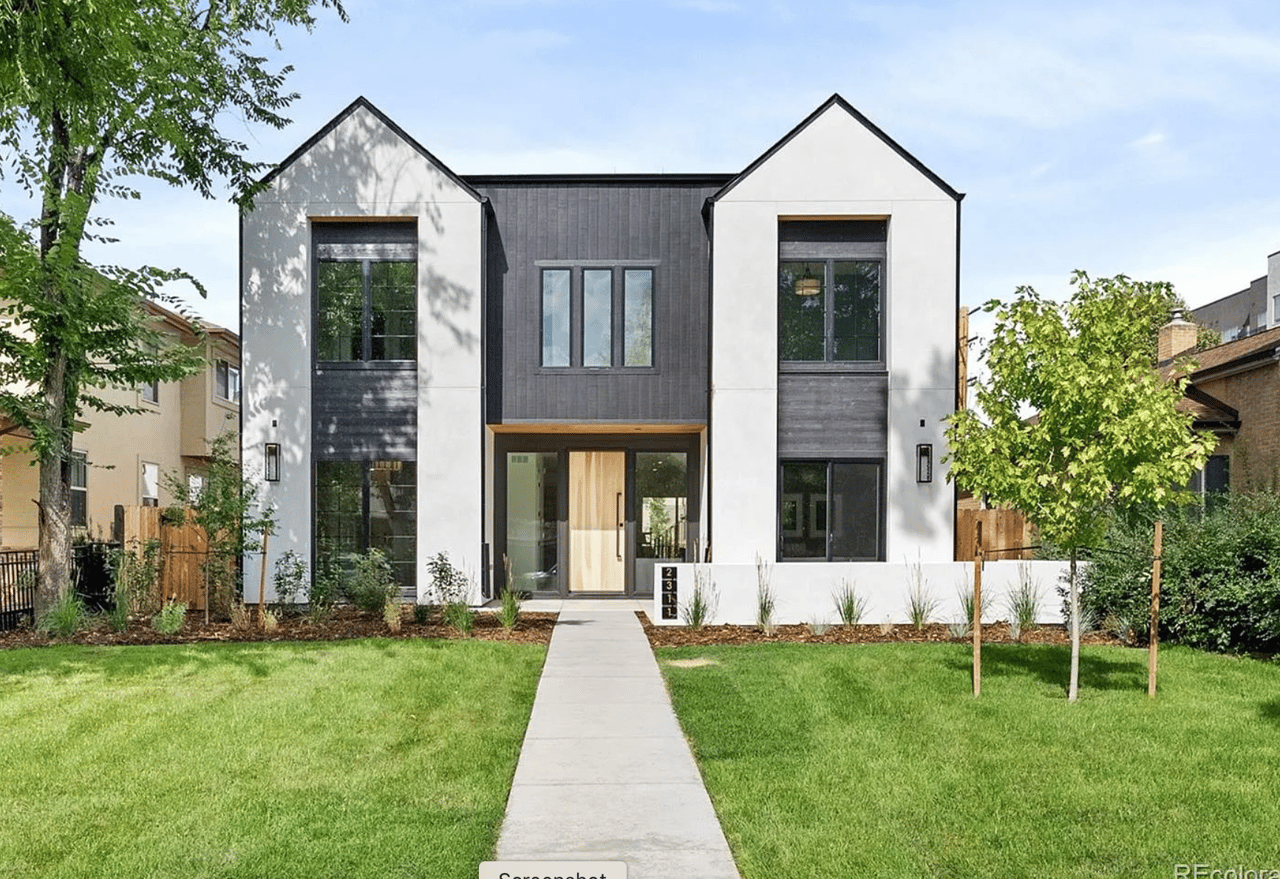
In practical terms, Observatory Park is most often a detached-home market. The neighborhood plan points to a strong base of one- to two-story homes, front yards, detached sidewalks, and consistent setbacks that create a lower-density residential pattern.
That said, there are still different ways to enter the area. Depending on the specific block and property, you may find single-family homes, duplex-style opportunities, and some smaller multifamily options near campus. DU’s off-campus housing portal also confirms that nearby rental stock includes studio, one-bedroom, and two-bedroom apartment homes.
If you are buying for a student, this mix can create several paths. Some buyers focus on a house that works now and later becomes a long-term asset, while others prefer a lower-maintenance condo or apartment-style property if available in the immediate area.
Pricing Requires a Block-by-Block View
One recent market snapshot for University Park and Observatory Park reported a median sold price of $886,060 and a median price per square foot of $413 in June 2025, according to Rocket’s local market report. That gives you a useful starting point, but it should not be treated as the value of every property in the area.
This micro-market can vary sharply by lot size, renovation quality, housing type, and exact location. A classic home on a larger lot may trade very differently from a duplex unit or a smaller property closer to campus.
If you are comparing options, broad averages only get you so far. The real opportunity is in understanding the specific property, the block, and what your long-term plan is.
Why Parents Buy Near DU
For many families, buying near DU is not just about four years of housing. It can be a way to create more stability during college, control the living environment, and hold a property with future flexibility.
Observatory Park can be appealing for that reason because it offers a more residential setting than buyers often expect near a university. If your goal is to purchase a home your student can live in while staying open to future rental or resale options, this area deserves a close look.
The key is buying with the exit strategy in mind from day one. You should ask not only, "Will this work while my student is at DU?" but also, "Will this still make sense after graduation?"
What Tends to Rent Well Near Campus
DU creates a meaningful rental ecosystem in the surrounding area. The university’s off-campus housing portal shows ongoing rental options near campus, including studio to two-bedroom layouts, which supports the idea of steady demand for smaller units and walkable multifamily housing nearby.
For single-family homes and duplexes, the fit is a little different. In many cases, a whole-home lease may be simpler operationally than trying to structure a room-by-room student setup.
That is because Denver separates household living from congregate living. Under the city’s group living rules, a household can include up to five adults of any relationship, while congregate living includes arrangements like rooming houses or student housing and is prohibited in single-unit and two-unit residential areas.
For you, the practical takeaway is simple: if you buy a house in Observatory Park, a standard whole-home lease is often the cleaner path than separate room leases.
Know Denver’s Rental License Rules
If you plan to hold the property after your student moves out, Denver’s long-term rental rules are a major part of your due diligence. For rentals of 30 days or more, the city requires a residential rental property license, a passing inspection by a qualified third-party inspector, and delivery of the city’s Tenant Rights and Resources document when the lease is signed.
The license is valid for four years unless ownership changes, and unlicensed rentals can be fined. This applies broadly to single-family homes, duplex units, condos, and accessory dwelling units that are rented long term.
If you are running the numbers, include licensing and inspection steps in your plan. It is not a reason to avoid the area, but it is absolutely part of owning rental property in Denver.
Short-Term Rentals Are Much More Limited
Many buyers ask whether a DU-area purchase could double as an Airbnb-style property. In Denver, that strategy is much more restricted than many people assume.
The city’s short-term rental rules require a license for rentals of 1 to 29 days, and the property must be the host’s primary residence. Denver defines primary residence narrowly and allows only one.
For out-of-state parents and many small investors, that means you should not view an Observatory Park purchase as an easy short-term rental play. In most cases, the stronger fit is long-term ownership with a compliant long-term rental plan.
ADUs Can Add Long-Term Flexibility
Accessory dwelling units can be an important value-add in Denver, especially if you are thinking beyond a single use. According to Denver’s citywide ADU guidance, ADUs are now allowed in all residential areas.
There is an important detail, though. In single-unit zone districts, the owner must live in the main house when applying for the ADU permit. The city also says that after the 2024 citywide ADU measure, the ADU can continue to be used even if the owner later moves off the property.
For some buyers, that creates a useful long-term path. A property that works today for a student could later support multigenerational living, a separate long-term rental unit, or added flexibility, depending on the lot, zoning, and permit feasibility.
Remodel Plans Need Extra Review
If you are considering a major remodel, addition, or teardown, historic status should be part of your research. Denver notes that if a parcel is locally designated as a landmark or sits inside a historic district, exterior work may require a certificate of appropriateness before permit approval.
The city also lists the University Park Thematic Historic District as a recently approved designation. Before you assume a property can be heavily altered, it is wise to review Denver’s permit and historic review guidance.
This matters most if your strategy depends on expansion or redevelopment. A home can look like a value-add opportunity on paper, but the parcel-level review often tells the real story.
Best Strategies for Parents and Investors
If you are buying near DU, the strongest strategies usually center on long-term flexibility, not quick turnover. Based on the area’s housing mix and Denver’s current rules, a few approaches tend to make the most sense.
Buy for student use first
This works well if you want your student to live in the property while keeping future options open. After graduation, you may choose to sell, keep the home as a long-term rental, or continue using it as family housing.
Hold as a long-term rental
This is often the most straightforward investor-minded path, especially if the property suits a standard household lease. Make sure you understand the city’s rental licensing and inspection requirements before you buy.
Look for ADU potential
If the lot and zoning support it, ADU flexibility can add future value. This can be especially appealing if you want a property that could serve more than one purpose over time.
The Big Picture on Observatory Park
Observatory Park is best understood as a scarce, DU-adjacent residential area with limited density and a strong neighborhood identity. Its value story is tied less to easy short-term rental income and more to location, housing scarcity, lot quality, and future use flexibility.
That is exactly why careful buying matters here. If you choose the right property and match it to a realistic plan, buying near DU can serve both personal and financial goals over the long run.
If you want help evaluating homes near DU, comparing block-by-block value, or pressure-testing a parent or investment purchase strategy, connect with Kylie Russell Real Estate. You will get clear local guidance, data-driven insight, and a practical plan built around your goals.
FAQs
What kind of homes are most common in Observatory Park near DU?
- According to the University Park neighborhood plan, the area is primarily residential and is dominated by single-family detached homes, with some duplex and higher-density pockets.
Can you use an Observatory Park home as a short-term rental?
- In Denver, short-term rentals of 1 to 29 days require a license and the property must be the host’s primary residence, so this is often not a fit for out-of-state parents or traditional investors.
Does Denver require a license for long-term rentals near DU?
- Yes. For rentals of 30 days or more, Denver requires a residential rental property license, a passing inspection, and delivery of the city’s Tenant Rights and Resources document at lease signing.
Is room-by-room leasing allowed in Observatory Park?
- Denver’s rules distinguish household living from congregate living, so a whole-home lease is often a cleaner fit than separate room leases in single-unit and two-unit residential areas.
Can an ADU add value to a DU-area property?
- Potentially, yes. Denver allows ADUs in all residential areas, but zoning, permitting, site conditions, and owner-occupancy requirements at the time of permit application all need to be reviewed carefully.
Why do buyers look at Observatory Park for a DU purchase?
- Many buyers like the area’s residential setting, proximity to the University of Denver, and the possibility of using a property now for a student and later as a long-term asset.