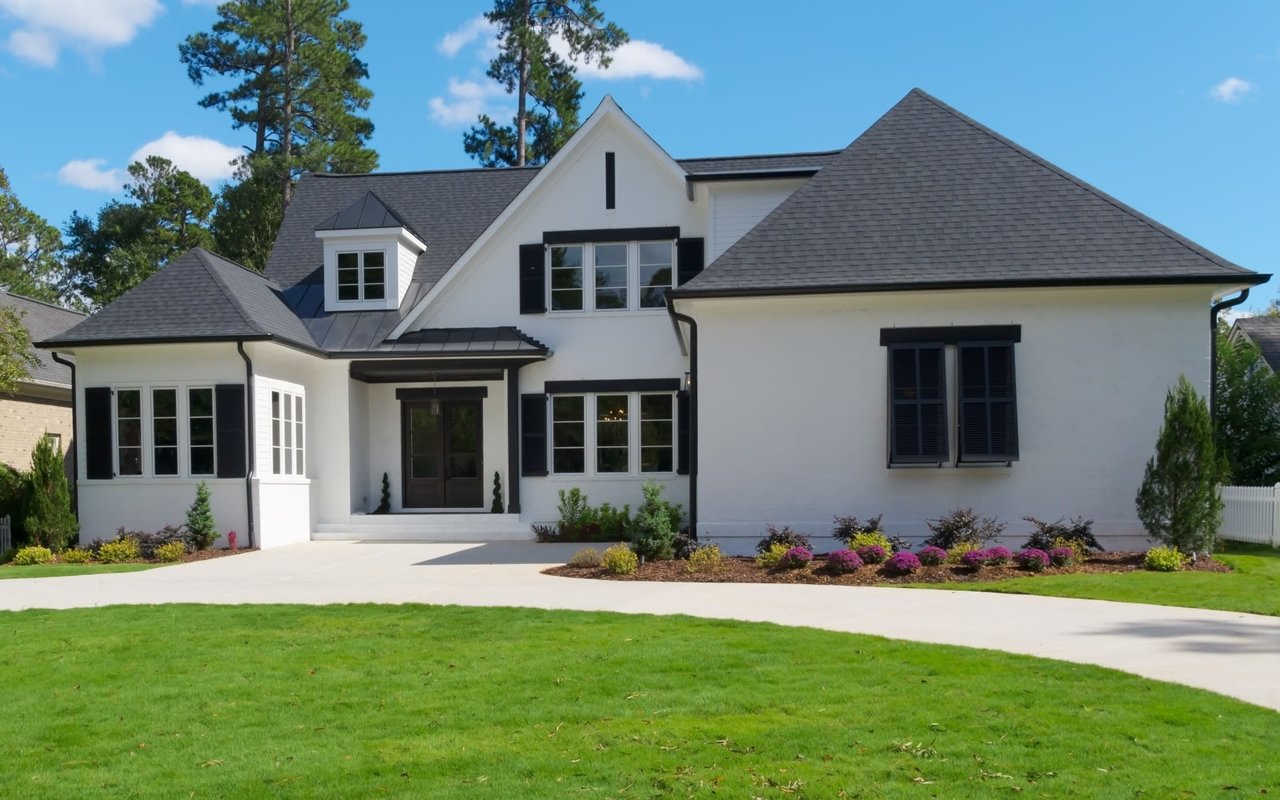
If you want a luxury home that supports both your lifestyle and your workday, Greenwood Village near DTC deserves a close look. This is a market where commute convenience, lot size, privacy, and access to trails can matter just as much as finishes and square footage. When you know what to compare before you tour, you can buy with more confidence and avoid costly surprises. Let’s dive in.
Why Greenwood Village Stands Out
Greenwood Village sits just south of Denver in Arapahoe County and covers about 8.3 square miles. The city reports about 15,691 residents and roughly 38,500 daytime workers, which tells you a lot about how the area functions day to day. It is both a residential community and a major employment center.
Part of the Denver Tech Center is located in Greenwood Village, along with Greenwood Plaza and the Village Center. For many luxury buyers, that mix is a major advantage. You can find a home base that feels established and private while staying close to offices, dining, retail, and transit.
Why Luxury Buyers Choose DTC Access
If you relocate often, travel for work, or simply value efficiency, Greenwood Village offers strong transportation access. The city notes direct access to I-25, adjacency to I-225, and rail access to DIA. It also places Centennial Airport about 10 minutes east.
The city reports three light rail stations within Greenwood Village: Arapahoe at Village Center, Orchard, and Dayton Street. That matters if you want options beyond driving. In practical terms, your daily routine may feel very different depending on how close you are to a station, major roadway, or office cluster.
What Luxury Homes Look Like Here
One of the biggest mistakes buyers make is assuming Greenwood Village has one luxury-home style. It does not. City history points to the area’s ranching past, and official city material references ranch-style homes as part of that legacy.
At the same time, city newsletter coverage of One Cherry Lane describes custom or semi-custom ranch homes with main-floor living and traditional exterior materials like brick, stone, and stucco. Buyers may see older ranch homes, extensively updated properties, and newer custom traditional homes in the same broader market. That variety is part of what makes Greenwood Village interesting, but it also means you need to compare properties carefully.
Lot Size Can Change Everything
In Greenwood Village, lot size is not something to guess at. It can vary widely depending on zoning. The city’s land use rules show that the R-0.25 district requires a minimum lot area of 10,000 square feet, while the R-1.0 district requires at least 30,000 square feet.
The city’s Comprehensive Plan also describes some rural homestead areas at about 0.4 dwelling units per acre, or about one home per 2.5 acres. For you as a buyer, this means two homes that look similar online may offer very different long-term possibilities. Privacy, setbacks, outdoor improvements, and future changes often depend on the exact parcel and zoning district.
Commute Testing Matters More Than You Think
A short map distance does not always mean an easy daily drive. Greenwood Village says it monitors traffic citywide through annual traffic counts, and its transportation program is designed to protect residential neighborhoods from unnecessary commercial and transient traffic. That is helpful, but it also means the feel of one street can be very different from another.
Before you buy, test the property during the actual time you would commute. Drive to your office, key business district, or airport route during rush hour if that matters to you. If transit is part of your routine, compare the road trip with light rail access and station convenience.
Parks, Trails, and Open Space Add Real Value
Luxury buying is not only about what sits inside the property lines. Greenwood Village reports more than 440 acres of parks, trails, and open space. The city also lists 31 parks, 280 acres of parks, 47 miles of trails, and 186 acres of urban and open-space parks.
Official park information highlights places like the Marjorie Perry Nature Preserve, the High Line Canal Trail, the Cherry Creek Trail, and equestrian parks. Depending on your priorities, direct or nearby access to trail systems and open space may influence your daily quality of life as much as a larger kitchen or an extra bonus room. Privacy from nearby roads and the feel of the surrounding land are worth close attention when you tour.
Some Communities Offer Lock-And-Leave Convenience
Not every luxury buyer wants a large yard to maintain. Some prefer a more streamlined, executive-style setup. An official city newsletter profile of One Cherry Lane described gated access plus snow shoveling, front-yard maintenance, and lawn care.
That kind of amenity package is not universal across Greenwood Village, but it shows the range of options available. If you travel often or want easier day-to-day ownership, ask what maintenance support, access features, or covenant requirements apply before you fall in love with a listing.
What To Verify Before You Make An Offer
Luxury homes can look polished in photos, but the smartest buyers go deeper. Greenwood Village provides several local tools and review processes that can help you confirm how a property is built, approved, and regulated.
Here are the most important checks to make:
Confirm Zoning And Lot Standards
Ask for the exact zoning district for the parcel. The city directs buyers to its zoning map, zoning verification letter process, and planning staff for confirmation. This step helps you understand minimum lot area, basic use rules, and whether the parcel fits your expectations.
Review Permit History
Do not assume a finished basement, deck, addition, or pool was fully permitted just because it looks complete. The city offers a Property and Building Permit History tool and notes that permits are required for new construction and most alterations. This check can help you avoid surprises after closing.
Check Plat, Easements, And Setbacks
For many luxury buyers, the lot is part of the purchase decision. Greenwood Village’s residential submittal checklist calls for site plan details such as setbacks, utilities, grading, and drainage information. Reviewing those items can help you understand usable outdoor space and any constraints on future changes.
Verify HOA Or Architectural Control
If the property is subject to covenants or architectural review, confirm those requirements early. Greenwood Village notes that HOA approval is required where applicable and that outside approvals do not replace Village plan review. In other words, there may be more than one layer of approval to understand.
Ask About Fire Sprinkler Requirements
For larger custom homes, building requirements may differ. Greenwood Village states that new homes with total floor area of 7,700 square feet or greater require residential fire sprinklers. If you are considering new construction or a major custom project, this is an important item to clarify.
A Smart Luxury Buying Strategy In Greenwood Village
When you shop in Greenwood Village near DTC, your decision should go beyond finishes and list price. You are really comparing lifestyle patterns. That includes commute efficiency, airport access, privacy, trail proximity, lot constraints, and the level of maintenance you want.
A strong buying strategy usually starts with a few clear questions:
- How important is quick access to DTC or downtown business travel?
- Do you want a larger lot, or would lock-and-leave living suit you better?
- Is main-floor living a priority?
- How much do trails, open space, or privacy from roads matter to you?
- Are you buying for today’s needs only, or do you want long-term flexibility for additions or outdoor improvements?
When you answer those questions first, it becomes easier to sort listings with confidence. You stop reacting only to finishes and start evaluating what truly supports your day-to-day life.
Why Local Guidance Helps In This Market
Greenwood Village is a nuanced luxury market because the housing stock, lot patterns, and commute dynamics can vary more than many buyers expect. Two homes may be close in price but offer very different ownership experiences. That is why local, property-level due diligence matters.
With the right guidance, you can narrow options faster, focus on homes that fit your priorities, and verify the details that matter before you compete for a property. In a market that blends residential prestige with real business-center convenience, that edge can make a meaningful difference.
If you are planning a move to Greenwood Village or want expert help comparing luxury homes near DTC, connect with Kylie Russell Real Estate for strategic, full-service guidance tailored to your goals.
FAQs
What makes Greenwood Village attractive for luxury buyers near DTC?
- Greenwood Village combines residential living with major employment access, including part of the Denver Tech Center, direct I-25 access, adjacency to I-225, three light rail stations, and convenient routes to DIA and Centennial Airport.
What types of luxury homes can you find in Greenwood Village?
- Buyers may find a mix of older ranch homes, updated properties, and newer custom or semi-custom homes rather than one single dominant style.
Why should you check zoning before buying a Greenwood Village luxury home?
- Zoning can affect minimum lot size, setbacks, and what may be possible on the property over time, so it is important to confirm the exact district for the parcel.
How large are lots in Greenwood Village?
- Lot sizes vary by zoning, with examples including a 10,000-square-foot minimum in the R-0.25 district and a 30,000-square-foot minimum in the R-1.0 district, plus some lower-density homestead areas described at about one home per 2.5 acres.
What should you verify before buying a luxury home in Greenwood Village?
- You should confirm zoning, review permit history, check the plat and easements, understand setbacks and drainage conditions, and verify any HOA or architectural-control requirements.
Are there lock-and-leave luxury options in Greenwood Village?
- Some communities may offer features like gated access and exterior maintenance support, but amenities vary by property and neighborhood, so each listing should be reviewed individually.
How important is commute testing when buying near DTC?
- It is very important because traffic patterns and street conditions can vary, so buyers should test the drive during the times they would actually travel and compare that with transit access where relevant.